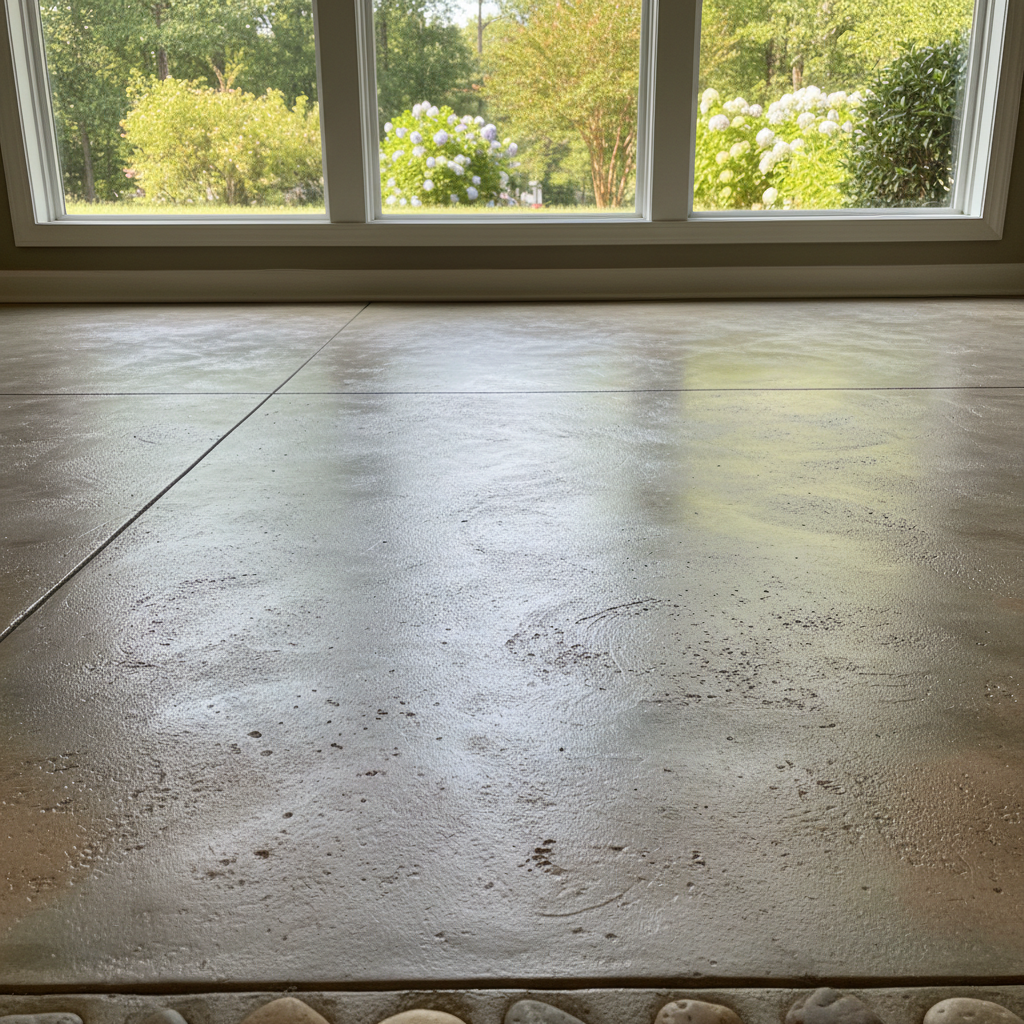
Nobody wants to walk into a flooded basement or find a ceiling dripping like a leaky faucet. It’s a nightmare, plain and simple. But when it happens here in Stockbridge, whether it’s from a summer storm blowing through or a plumbing surprise, you've got to act fast. I’ve seen firsthand what happens when folks hesitate, and trust me, it’s not pretty. Mold loves our humid Georgia climate, and it'll set in quicker than you think.
Before the Flood: Prep Your Home (and Yourself)
You can't always predict a pipe bursting, but you can be ready. It’s like having a first aid kit for your house. First off, know where your main water shut-off valve is. Seriously, go find it right now if you don't know. It's usually in your basement, crawl space, or near your water meter outside. Knowing how to turn off the water quickly can save you thousands in damage.
Also, keep a few things handy: a wet/dry vac, some old towels, heavy-duty gloves, and maybe a couple of fans. If you’re in a neighborhood like Eagle’s Landing or closer to the older parts of town with more mature trees, you might want to keep an eye on your gutters. Clogged gutters are a huge culprit for water getting where it shouldn't, especially during our heavy spring rains.
During the Disaster: What You Can Do Immediately
Okay, the worst has happened. Water's where it shouldn't be. Don't panic. Here's your immediate action plan:
- Stop the Source: This is priority number one. Find that shut-off valve and turn it. If it's a roof leak, you might not be able to stop the rain, but you can move valuables.
- Safety First: If the water is near electrical outlets or appliances, don't touch anything. Turn off the power to that area at your breaker box. Water and electricity are a deadly combo.
- Remove Standing Water: If it's just a few inches, grab that wet/dry vac, buckets, and towels. Get as much water out as you possibly can. The faster it's gone, the less it soaks in.
- Move Valuables: Get furniture, rugs, electronics, and anything else off the wet floor. Prop up furniture legs on blocks or foil to prevent water wicking up.
- Document Everything: Take pictures and videos of the damage before you clean up too much. Your insurance company will thank you, and so will your wallet.
Now, here's the kicker: if it's more than a few inches of water, if it's sewage, or if it's been sitting for more than 24-48 hours, you're probably out of DIY territory. That's when you need to call a professional water damage restoration company. We've got the heavy-duty extractors, industrial-strength dehumidifiers, and moisture meters to properly dry out your home and prevent long-term issues like structural damage or mold growth.
After the Cleanup: Drying and Restoration
Once the bulk of the water is gone, whether you did it or we did, the drying process begins. This is crucial. You need air movement and dehumidification. Open windows if the outdoor humidity is lower than inside, but often, especially in Georgia, you'll need a dehumidifier. Fans help too, pointing them at wet areas to encourage evaporation.
Check for hidden moisture. Water can travel surprisingly far. It gets behind baseboards, under flooring, and into wall cavities. If you're smelling a musty odor, that's a big red flag for mold. If you suspect hidden moisture or mold, that's another time to call in the pros. We use specialized equipment to find and eliminate it safely. You don't want to mess around with mold; it can cause serious health problems and structural damage.
At Coastal Restoration, we handle everything from the initial water extraction to drying out your property and making sure it's safe and sound. We've dealt with everything from overflowing toilets in those older ranch homes near Panola Mountain to burst pipes in newer construction. We know the unique challenges our local climate presents, and we're here to help you navigate them. Don't hesitate to reach out if you're dealing with water damage; the sooner you act, the better off your home will be.