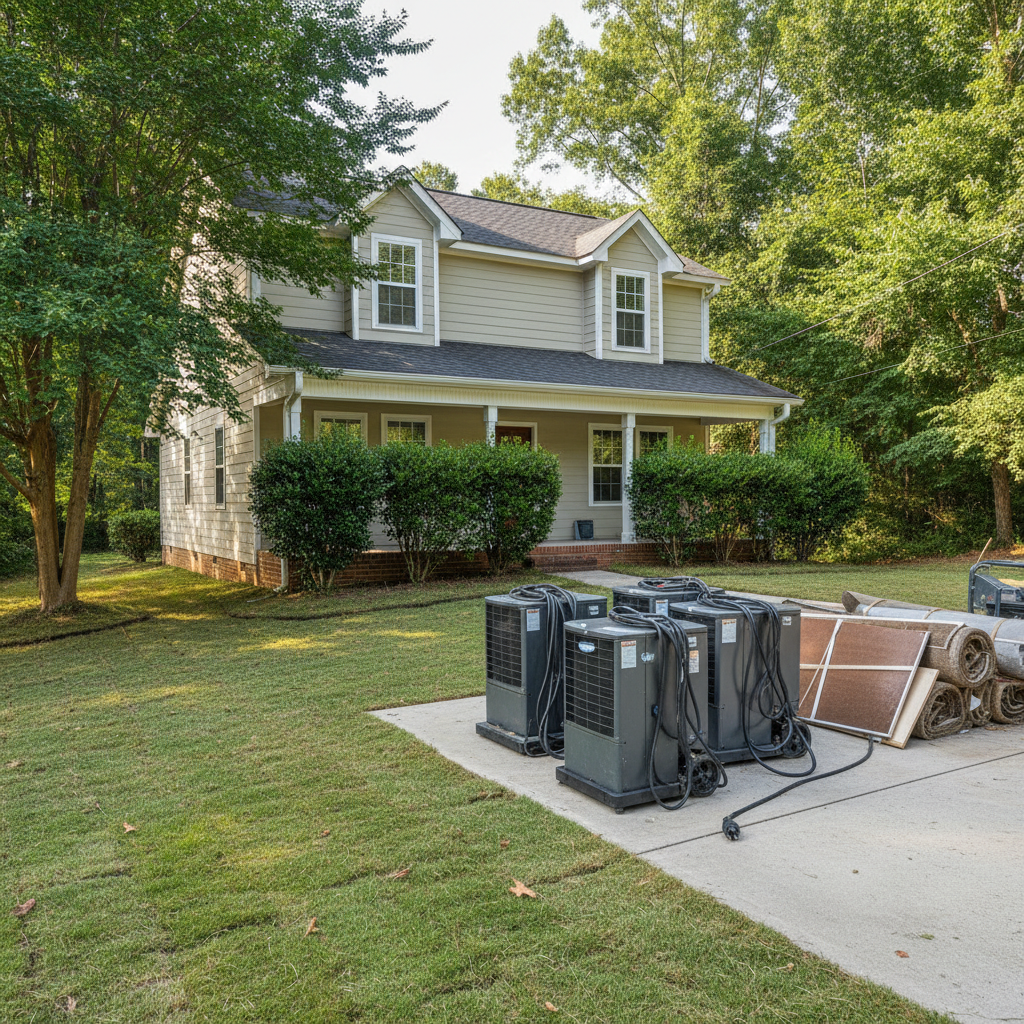
Alright, let's talk about water damage right here in Stockbridge. If you own a home around these parts, you know our weather isn't exactly predictable. From those scorching, muggy summers to the quick, wet winters, our homes really do take a beating. As someone who's honestly seen just about everything in this business, I want to give you the real lowdown on how to protect your biggest investment from water damage, no matter the season.
The Stockbridge Climate: Your Year-Round Water Damage Foe
Our little corner of Georgia has its own special set of challenges. We're not exactly dealing with blizzards, but we certainly get plenty of rain, and that humidity? It's a killer, truly. Average rainfall here is around 52 inches a year, and it's spread out pretty evenly, though February and March tend to be the wettest months, which is worth remembering. But it's not just the rain; it's the combination of rain, heat, and that thick, heavy air that makes water damage a constant threat. And let's not forget our famous red clay soil. That stuff expands like crazy when it's wet and shrinks when it dries, putting a ton of stress on your foundation. That's a local detail you just can't ignore, honestly.
Winter: Don't Let the Cold Catch You Off Guard
You might think winter means less water trouble, but that's where a lot of folks get it wrong. Our winters are short, sure, but they can get cold enough to cause some real problems.
- Frozen Pipes: This is a big one. Those sudden cold snaps can freeze pipes in unheated crawl spaces, exterior walls, or even your garage. When that water freezes, it expands, and boom — burst pipes. The real mess happens when things warm up and the water starts flowing freely. Make sure those exposed pipes are insulated!
- Roof and Gutter Issues: Winter rains can be relentless. If your gutters are clogged with leaves from fall or your downspouts aren't directing water far enough away from your house, you're just asking for trouble. Water overflowing from gutters can seep into your foundation or damage your siding and soffits, and nobody wants that.
- Hidden Leaks: Sometimes, minor roof damage from winter storms goes unnoticed until the spring rains really hit hard. It's a good idea to get up there (or have someone reliable do it for you) and check for any missing or damaged shingles.
Spring: The Season of Renewal (and Hidden Leaks)
Spring brings warmer weather and more rain. It's a beautiful time, but it's also when those winter-induced issues tend to show their ugly faces, often unexpectedly.
- Foundation Fun: With all that rain, our clay soil gets saturated. This can lead to hydrostatic pressure against your basement or crawl space walls, causing cracks or bowing. It's key to make sure your drainage is good around the house.
- Gutter Overload: Still got debris in those gutters? Spring showers will make them overflow, directing water right where you absolutely don't want it — against your foundation. Clean them out!
- Sump Pump Check: If you have a basement or crawl space with a sump pump, spring is definitely the time to make sure it's working perfectly. You really don't want to find out it's failed during a heavy downpour, do you?
Summer: Humidity, Storms, and the Mold Clock
Summer in Stockbridge is hot and muggy, plain and simple. This is prime time for certain kinds of water damage and, more importantly, for mold. It's a serious concern.
- Thunderstorms and Flash Floods: We get some intense summer storms. Heavy rainfall can overwhelm drainage systems and lead to flash flooding, especially in basements, which can be a nightmare.
- High Humidity: This is the big one. Our muggy summers mean moisture is everywhere. If you have any leaks — even small ones — that moisture combines with the heat to create a perfect breeding ground for mold. Mold can start growing in as little as 24-48 hours after water exposure, particularly in warm, humid conditions. That's why quick action is so important, honestly.
- AC Condensation: Your air conditioner is working overtime. Make sure its drain lines aren't clogged and that there's no excessive condensation around the unit.
Fall: Preparing for the Next Cycle
Fall is a great time to get ahead of the game before winter hits. It's all about preparation.
- Gutter Cleaning (Again!): All those beautiful falling leaves? They'll end up in your gutters, guaranteed. Clean them out thoroughly to prevent clogs and make sure water flows properly when the rains come.
- Roof Inspection: Before winter, give your roof another good look. Fix any loose or damaged shingles. It's much easier to do this when it's not freezing cold or pouring rain, wouldn't you agree?
- Seal Up: Check around your windows and doors. Worn weather stripping or caulk can let in rain and moisture, and also drive up your energy bills.
When to Schedule Restoration Work and What Affects It
Look, if you've got water damage, the best time to schedule restoration is now. Seriously, don't wait. Water damage doesn't get better with time; it only gets worse. Mold can start within a day or two, and structural damage often follows. The longer you wait, the more expensive and complex the job becomes, which is something most people don't think about until it's too late.
Weather conditions definitely affect our work, especially when it comes to drying things out. High humidity, like we get in our Stockbridge summers, means we have to work harder and longer with our specialized drying equipment to get your home dry and help prevent mold. Cooler, drier air helps, but we've got the tools to handle it year-round. That's why Coastal Restoration is always ready — because water damage doesn't care about the forecast, unfortunately.
Protecting Your Investment Year-Round: My Best Advice
It boils down to a few key things, really:
- Be Proactive: Don't wait for a problem to become a disaster. Regular inspections of your roof, gutters, plumbing, and foundation can catch small issues before they become huge headaches.
- Address Leaks Immediately: Even a small drip can lead to big problems, especially with our humidity. Fix it fast.
- Manage Humidity: Use dehumidifiers in basements and crawl spaces, particularly during those muggy summer months. Try to keep your indoor humidity below 60% if you can.
- Know Your Home: Understand where your main water shut-off valve is. If a pipe bursts, you'll want to turn off the water fast to minimize damage.
Your home is a major investment, after all. Taking these seasonal precautions can save you a lot of grief and money in the long run. If you ever find yourself facing water damage, don't hesitate to give us a call. We're here to help, genuinely.