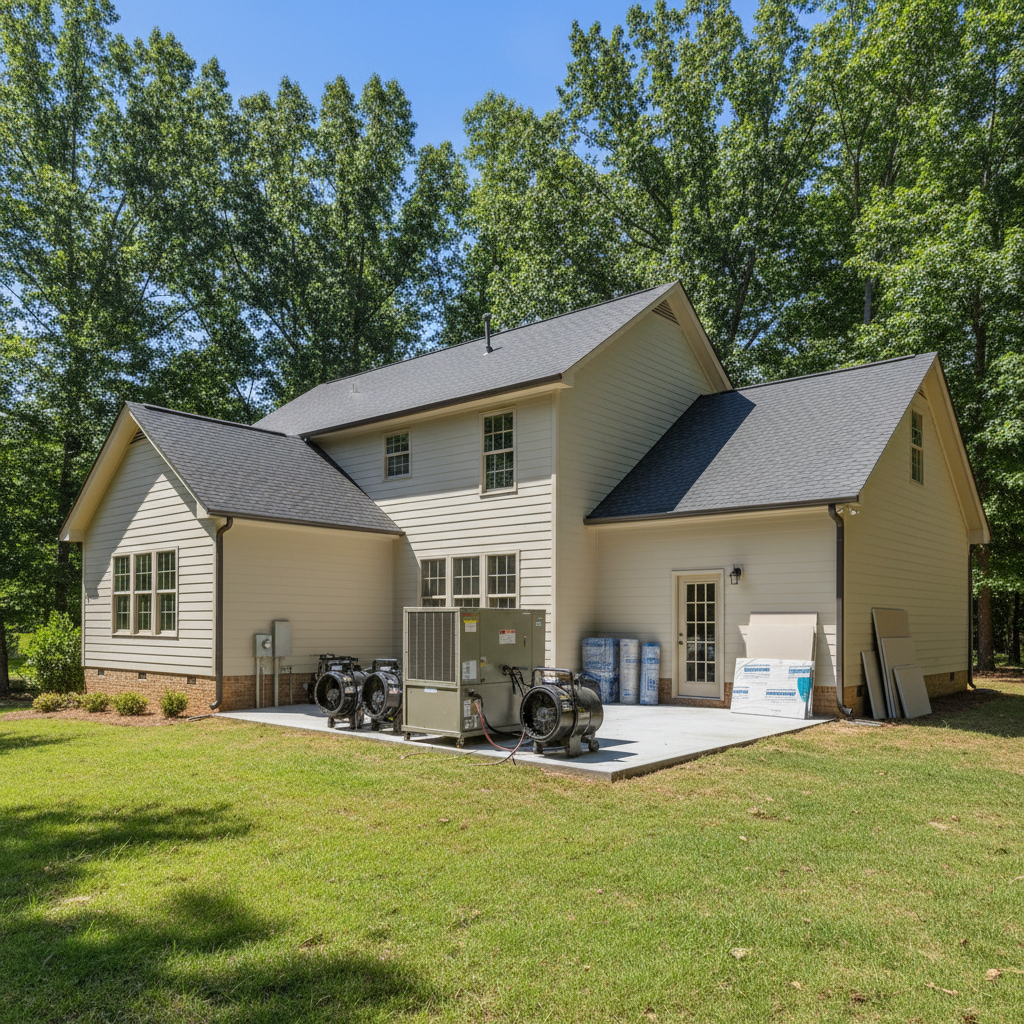
So, you've got water damage. Maybe it was a burst pipe, a leaky roof after one of our summer downpours, or even a slow, hidden leak that finally decided to show itself. Whatever the cause, if it's gotten into your home's structure, you're looking at a structural drying project. It's a big deal, and I get that it can feel overwhelming. But it doesn't have to be a nightmare if you know what to expect and how to prepare. I've seen a lot of these projects right here in Stockbridge, from the older homes near the square to the newer builds out towards Eagles Landing, and the process is pretty consistent.
What's the Timeline Look Like?
This is usually the first thing folks ask me, and it's a fair question. The short answer is: it varies. The long answer depends on a few things:
- How much water we're talking about: A small spill is different from a flooded basement.
- What materials are wet: Drywall dries faster than hardwood floors or dense subflooring. Our red clay soil here in Henry County can also contribute to higher humidity if it's in a crawl space, making drying a bit slower.
- How quickly we can get started: The faster we get our equipment in, the faster things dry.
Generally, you're looking at anywhere from 3 to 7 days for the active drying process. That's when the dehumidifiers and air movers are running full blast. After that, we'll monitor moisture levels to make sure everything's truly dry before we start any repairs.
What to Expect During the Process
Once we've extracted any standing water, the real structural drying begins. Here's a rundown:
- Equipment, and lots of it: We'll bring in commercial-grade dehumidifiers, air movers (those big fans), and sometimes specialized drying equipment for things like hardwood floors or wall cavities. Your house is going to sound like an airport for a few days, and it'll be a bit warmer than usual because the dehumidifiers generate heat.
- Daily monitoring: A technician will come by daily, sometimes twice a day, to check moisture levels using specialized meters. They'll adjust equipment as needed to optimize the drying. This isn't just guesswork; we're using science to make sure your home is dry.
- Demolition (sometimes): If materials are too saturated or contaminated (like with sewage), they might need to be removed. We always try to save what we can, but some things just can't be dried effectively or safely. We'll discuss this with you upfront.
- Air quality: We'll often set up air scrubbers to filter the air, especially if there's any concern about mold spores or odors.
How to Prepare Your Home
You can help make the process smoother and faster. Here's what I recommend:
- Clear the area: Move furniture, personal items, and anything else out of the affected rooms if possible. The more open space we have, the better our equipment can work.
- Protect valuables: If you can't move everything, cover items with plastic sheeting to protect them from dust or potential splashes.
- Secure pets: The equipment can be loud and might stress out your furry friends. It's best if they have a quiet, unaffected space, or even stay with a friend or family member for a few days.
- Expect noise and heat: I mentioned this before, but it's worth repeating. It's going to be noisy and warm. Plan accordingly for sleeping and daily activities.
- Don't turn off the equipment: I know it's tempting to unplug a noisy fan, but every minute the equipment is off extends the drying time.
Questions to Ask Before Signing a Contract
Before you commit to any company, make sure you're comfortable with their plan and their answers. Here are some key questions:
- What's your estimated timeline for drying? Get a realistic expectation.
- Will you be monitoring moisture levels daily? How often? You want regular checks, not just a setup and leave.
- What equipment will you be using? A reputable company like Coastal Restoration will have professional-grade, well-maintained equipment.
- Do you handle the entire process, including repairs, or just the drying? It's often easier to work with one company for both.
- How do you handle communication with my insurance company? We typically work directly with adjusters to streamline the claims process.
- What's included in the estimate, and what might be extra? Make sure there are no hidden fees.
- Are your technicians certified? Look for certifications like IICRC (Institute of Inspection, Cleaning and Restoration Certification).
- What's your plan for preventing mold growth? This is crucial, especially in our humid Georgia climate.
Getting your home back to normal after water damage is a process, but with the right team and a clear understanding of what's involved, it doesn't have to be a headache. Don't hesitate to ask questions; it's your home, and you deserve to feel confident in the work being done.