So, you've got water damage, and now you're worried about mold. Good. You should be. But when's the best time to actually get that mold remediation done, especially here in Stockbridge? It's not as simple as just calling someone the minute you see a spot, is it? Our local climate really dictates how mold grows, how we fix it, and how you keep it away for good.
Stockbridge's Climate & Your Mold Risk
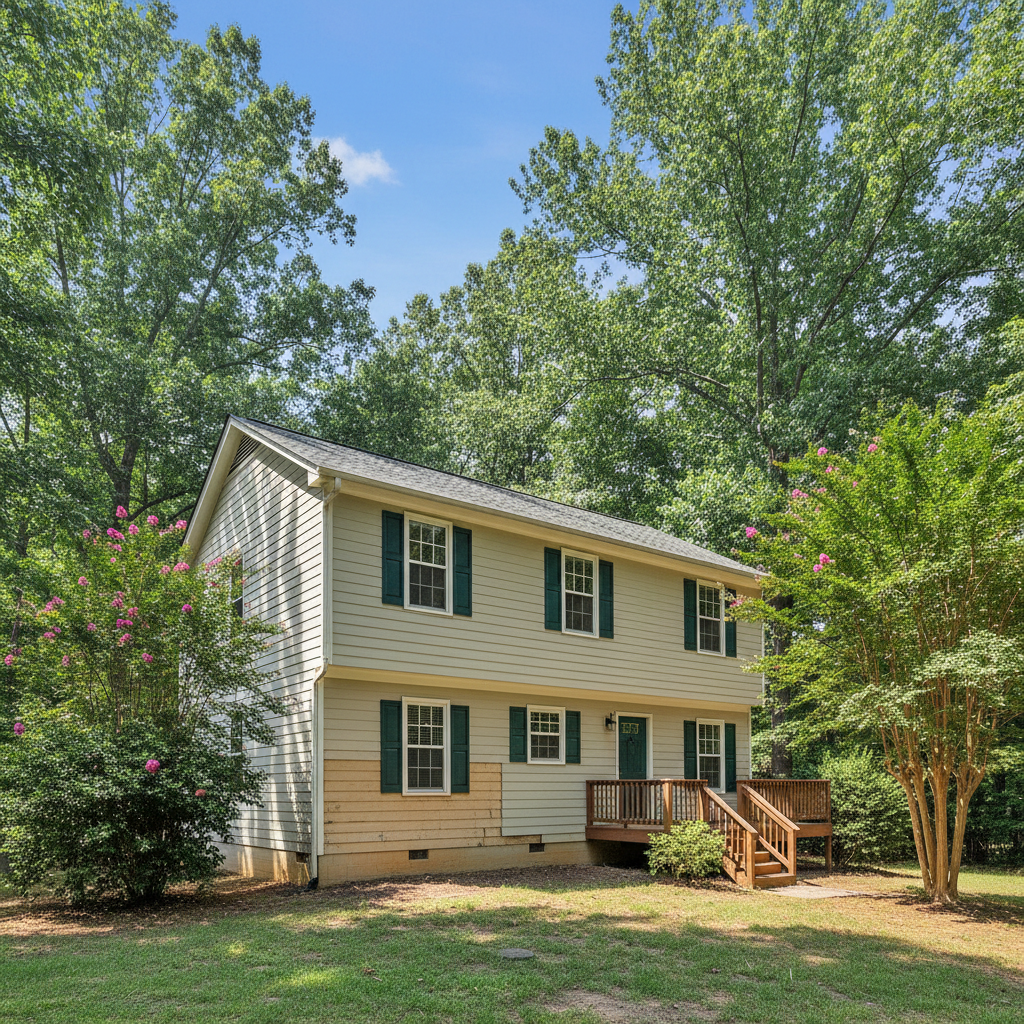
Here in Stockbridge, we know humidity all too well. From those long, muggy summers where the air just hangs heavy, to even our milder winters that can still bring plenty of dampness, moisture is a constant battle. That high humidity? It's mold's best friend. It absolutely loves the stuff. You'll often find it thriving in crawl spaces under older homes in neighborhoods like Eagles Landing, or tucked away in basements that aren't properly sealed.
Mold doesn't just need water; it needs high moisture levels in the air to really take off. So, what does that mean for you?
- Summer is Prime Time for Growth: Those hot, humid months from May through September? That's when mold spores are most active and can spread like wildfire if there's a moisture source. If you have a leak or flood during this time, you've got to act fast.
- Winter Doesn't Mean You're Safe: Don't let the cooler temps fool you. While outdoor mold might slow down, indoor humidity can still be an issue, especially if you're running humidifiers or have poor ventilation. Plus, any existing water damage from a winter pipe burst can still lead to mold if not dried properly.
- Spring & Fall: The Tricky Seasons: These can be deceptive. You get warm days followed by cool nights, which can lead to condensation inside your home. If your attic isn't vented right or your windows are old, that condensation can become a breeding ground.
When to Schedule Mold Remediation
Honestly, if you've got mold, the best time to schedule remediation is now. Mold doesn't wait for the perfect season to stop growing. Understanding the climate, however, helps you prepare and prevent future issues.
If you've had a recent water event, like a burst pipe or a roof leak, you need to call us immediately. We're talking within 24-48 hours. The faster we get there to dry things out, the less chance mold has to really dig in.
For existing mold, especially if it's not tied to a fresh water intrusion, here's what I've seen:
- During drier periods: If you're planning a major renovation that might expose mold, doing it during a drier stretch (if we ever get one!) can help with drying times and prevent new growth during the work. But this is a minor advantage; don't delay if you've got a problem.
- Anytime you find it: Seriously, don't put it off. The longer mold sits, the more it spreads, and the more damage it does to your home's structure and your family's health.
How Weather Conditions Affect Our Work
When we're doing mold remediation, especially after water damage, the weather outside absolutely impacts our process. For example:
- High Humidity: This makes drying more challenging. We have to use more powerful dehumidifiers and air movers, and sometimes run them longer, to get those moisture levels down to where mold can't survive. We're fighting against the very air we breathe here in Georgia, after all.
- Rain: If we're working on a roof leak or an exterior wall, rain can obviously complicate things. We'll need to make sure the source of the water is completely stopped and sealed off before we can effectively dry and remediate indoors.
- Temperature: Extreme heat or cold can affect how quickly materials dry. We adjust our equipment and techniques accordingly.
Our goal at Coastal Restoration is always to get your home's indoor environment back to normal, no matter what Mother Nature is throwing at us outside.
Protecting Your Investment Year-Round
Mold remediation isn't just about cleaning up; it's about preventing it from coming back. Here are a few things you can do:
- Manage Humidity: Get a good dehumidifier for your basement or crawl space. Keep your home's indoor humidity below 60%. An inexpensive hygrometer can help you monitor this.
- Fix Leaks Promptly: Don't let that dripping faucet or slow roof leak go. Even small leaks can lead to big mold problems over time.
- Ventilation is Key: Make sure your bathrooms, kitchen, and laundry room are properly vented to the outside. Run those exhaust fans!
- Inspect Regularly: Take a peek in your attic, crawl space, and under sinks a few times a year. Look for any signs of moisture or discoloration.
- Maintain Gutters: Keep your gutters clean and make sure downspouts direct water at least 6 feet away from your foundation. Poor drainage around your Stockbridge home is a huge culprit for crawl space moisture.
Dealing with mold can be a headache, but understanding our local conditions and acting quickly makes all the difference. Don't hesitate to give us a call if you suspect you've got a problem. We're here to help.